
Body diversity and individuality: a Brazilian perspective on cosmetic surgery
No two bodies are alike, and that diversity is one of the most beautiful aspects of being human. For a long time, aesthetics was associated with rigid, unattainable ideals. Today, however, that perspective is changing and continues to evolve.
Modern plastic surgery does not aim to make everyone look the same. Instead, the focus is increasingly on respecting each patient’s body type and unique proportions.
What is body diversity?
Body diversity means recognizing the many ways bodies can look and be built. Differences in height, chest width, hip shape, bone structure, skin tone, and fat distribution make every silhouette unique.
In Brazil, this variety is part of the country’s identity. The diversity of its population is also reflected in the consultation room, where every surgical plan needs to consider anatomy, proportions, medical history, expectations, and whether a procedure is appropriate. Beauty has no single shape: it can be found in bodies that are curvy, athletic, delicately built, striking, or understated.
Why body diversity matters in today’s society
The growing appreciation of body diversity reflects an important cultural shift: aesthetics is moving away from a single ideal and becoming more closely connected to identity, self-esteem, and individual choices.
This perspective is particularly relevant in Brazil. According to the ISAPS Global Survey 2024, the country ranks first worldwide for cosmetic surgical procedures, with 2,354,513 surgeries performed and a total of 3,123,758 aesthetic procedures.
With such a high volume of procedures, the variety of bodies, body types, and expectations highlights the importance of personalized planning, guided by a plastic surgeon’s assessment.
The many dimensions of body diversity
The diversity of the human body is also reflected in how it changes over time. Skin texture, age, and genetics mean that everyone’s body develops and changes at a different pace. Major life experiences, including pregnancy, breastfeeding, weight fluctuations, and aging, also reshape our anatomy. That is why every procedure should begin with the patient’s body as it is.
Different body shapes and proportions
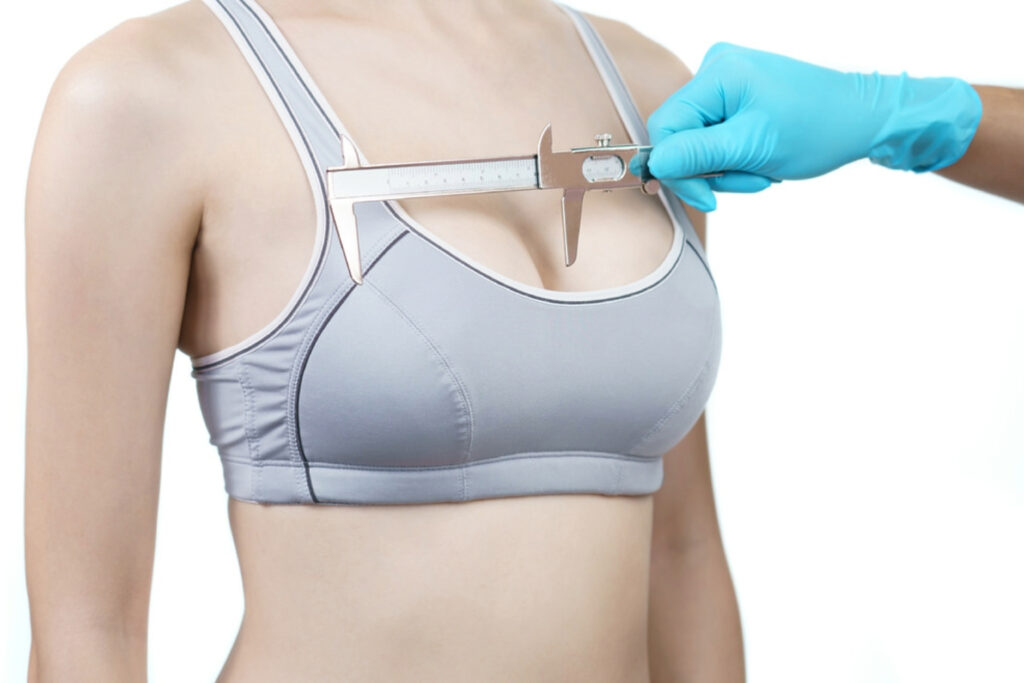
In breast surgery, for example, the same implant volume can produce very different results in two patients. This is because characteristics such as breast base width, tissue elasticity, and torso width vary from one woman to another. Choosing the right implant therefore involves much more than its volume in cubic centimeters (cc).
Factors that influence body diversity
Our bodies tell an evolving story shaped by a combination of factors:
- Genetics: Establishes the foundations of our physical structure.
- Lifestyle: Includes nutrition, physical activity, and everyday habits.
- Life stages: Encompasses motherhood, hormonal changes, and natural aging.
Recognizing that the body changes over time helps us understand how cosmetic surgery can support patients through different stages of life.
The importance of respecting and understanding different bodies
Each patient has personal, valid reasons for considering surgery. Some want to restore their body contours after pregnancy or significant weight loss; others simply wish to address a natural asymmetry.
Body diversity in Brazilian culture
Discussing body diversity in Brazil means recognizing a country shaped by many backgrounds, proportions, body types, and ways of relating to personal appearance. This variety has also influenced the development of Brazilian plastic surgery, with its attention to anatomy, individuality, and the balance between aesthetic goals and medical planning.
Rather than following a single aesthetic ideal, the Brazilian perspective embraces a range of possibilities. Each body calls for its own assessment, and this approach is also reflected in the development of surgical options designed to accommodate different anatomies
Brazil’s diverse perspective on beauty
Brazilian plastic surgery has earned recognition for its ability to understand and work with different bodies. Instead of beginning with a fixed ideal, planning takes into account measurements, proportions, chest structure, breast shape, skin quality, expectations, and whether surgery is appropriate.
This personalized approach helps explain why Brazil has become a point of reference in the field. Surgical technique and aesthetic sensitivity go hand in hand, with each patient’s anatomy as the starting point.
How Brazilian culture celebrates different body types
Brazil’s relationship with the body has long been connected to movement, well-being, and individual expression. Today, this conversation is becoming more thoughtful: celebrating the body means understanding what feels right for each person, rather than pursuing a standardized transformation.
In cosmetic surgery, this translates into more carefully considered choices. A patient may want more volume, greater projection, a subtler contour, or a fuller appearance, but every decision should take into account her anatomy and her surgeon’s assessment.
Body diversity and cosmetic surgery
Body diversity reinforces an essential principle: there is no single solution for every body. In cosmetic surgery, each decision involves measurements, tissue characteristics, medical history, goals, and realistic expectations.
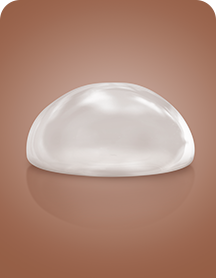
That is why choosing an implant goes far beyond volume. Shape, base width, projection, surface, and gel all contribute to the technical combination that helps the surgeon develop a plan suited to each patient’s anatomy.
Cosmetic surgery as a way to create balance
Creating balance does not mean making every body look the same. It means assessing proportions and possibilities so that the procedure complements the patient’s body.
In breast surgery, details such as chest width, breast base width, desired projection, and volume distribution influence implant selection. The more technical options available to the surgeon, the more flexibility there is to tailor the plan to each patient’s individual characteristics.
Individuality and personalized outcomes in breast surgery
In breast augmentation and other breast procedures, personalization is central to surgical planning. Some patients want more upper-pole fullness, while others prefer a softer contour, a more proportionate base, or less projection.
This is why different shapes, volumes, surfaces, and projections play an important role in the doctor’s decision-making. They allow implant selection to be guided by the patient’s body type, her goals, and the recommended surgical technique.
Breast implant innovation to accommodate different bodies
The development of breast implants reflects an increasingly clear need: to offer more options for personalized surgical planning.
Today, medical-grade silicone technology allows for different combinations of surfaces, shapes, volumes, projections, and gel types. This variety gives surgeons a broader range of options and reinforces an important principle: the body should not have to adapt to the implant; surgical planning should account for the body.
The importance of choosing the right implants for each patient
Choosing an appropriate implant requires a thorough assessment by a doctor. It is not simply a matter of selecting a volume in cc, but of understanding how that implant fits the patient’s anatomy.
Shape, projection, surface, base width, and gel all influence surgical planning. The consultation with a plastic surgeon is therefore essential for aligning expectations, assessing the possibilities, and determining which options are appropriate for each patient.
Technology and research in silicone implants
Breast implant technology has evolved to accommodate different anatomies and surgical goals. Product lines such as BioDesign, for example, offer combinations of shapes and projections that expand the options available when planning breast surgery.
Surfaces such as True Texture®, Pure Polyurethane, Soft Plus®, and smooth, together with high-performance cohesive gels, also demonstrate how innovation in medical-grade silicone can support different surgical approaches.
These advances reflect an increasingly prominent perspective in cosmetic surgery: respecting body diversity requires science, technical expertise, and personalized planning.
Safety note: Decisions about implants and surgical procedures should be made in consultation with a qualified plastic surgeon. Only an assessment by a doctor can determine which options are appropriate for each patient’s anatomy, goals, and surgical plan.