
What does “Brazilian beauty” really mean?
The expression “Brazilian beauty” captures the imagination because it goes beyond a predefined look. It evokes movement, presence, diversity, and a distinctive relationship with the body.
In Brazil, beauty has never had just one definition. It is expressed through different skin tones, hair textures, silhouettes, curves, proportions, and ways of expressing yourself. More than a standard, Brazilian beauty is a philosophy: appreciating what makes each body unique.
This perspective has also gained ground in cosmetic surgery. The focus has expanded beyond volume or dramatic changes to include anatomy, proportion, a natural appearance, and personalized planning.
What is the concept of “Brazilian beauty”?
Rather than describing a specific body type, Brazilian beauty represents a vibrant, diverse approach to beauty rooted in identity. It combines freshness, naturalness, and presence without trying to make everyone fit the same ideal.
In practice, this means making choices that suit each patient’s body. The aim is to understand how proportions, body type, and aesthetic goals can work together while preserving individual characteristics.
The origins of the term “Brazilian beauty”
The term gained recognition internationally through Brazil’s association with a sunny, effortless aesthetic connected to well-being. Beach culture, movement, glowing skin, and an appreciation of curves helped shape this image.
Over time, Brazilian beauty came to represent something broader: a way of seeing beauty with fewer rigid expectations and more room for personality. It encompasses attitude, authenticity, and how people relate to their own bodies.
Why it became popular in the beauty world
In a global landscape shaped by highly standardized trends, Brazilian beauty stood out for its more fluid, natural approach. The appeal lies in creating an appearance that feels true to your identity, rather than looking artificially perfect.
This perspective has also reached the consultation room. Increasingly, patients bring reference images along with a desire to understand what suits their anatomy, lifestyle, and personal journey.
The defining characteristics of Brazilian beauty
Although it embraces diversity, Brazilian beauty has some recognizable elements: bodies in motion, a healthy appearance, naturalness, and balance. Beauty is seen as something that evolves with everyday life.
A balanced, natural silhouette
From a Brazilian perspective, balance does not mean following a single silhouette. It means considering proportions, body structure, height, chest, hips, waist, and the body’s natural shape.
In cosmetic surgery, this perspective helps guide more personalized planning. A procedure should be planned around the patient’s body, rather than expecting the body to fit a trend.
Glowing skin and a healthy appearance
Glowing skin is part of the image associated with Brazilian beauty, but today the concept is moving away from perfection. The emphasis is on a healthy appearance, real skin texture, consistent care, and protection.
This shift reflects a more thoughtful conversation about beauty: fewer filters, less rigidity, and greater appreciation for natural features, regular care, and well-being.
Hair with volume and movement
Straight, wavy, curly, or coily: in Brazil, hair is also an expression of identity. Volume, movement, and natural texture are part of a beauty that does not need to look uniform to be appreciated.
This perspective reinforces a central idea behind Brazilian beauty: authenticity is part of the aesthetic.
Brazil and its influence on cosmetic surgery
Brazil holds a prominent position in cosmetic surgery worldwide, both for the number of procedures performed and for its distinctive approach to the body, anatomy, and proportion.
According to the ISAPS Global Survey 2024, Brazil ranks first worldwide for cosmetic surgical procedures, with 2,354,513 surgeries performed and a total of 3,123,758 aesthetic procedures. These figures help explain why the country has become a reference point in both the practice and culture of cosmetic surgery.
Why Brazil is a leading country in cosmetic surgery
Brazil’s prominence comes from a combination of medical tradition, surgical training, anatomical diversity, and its approach to aesthetics. In a country with such varied bodies, plastic surgeons work with a wide range of proportions, expectations, and body types.
This experience has contributed to a more individualized approach to planning. The focus is on assessing each patient’s anatomy, goals, and realistic options.
The importance of body balance in Brazilian aesthetics
In Brazilian aesthetics, one part of the body is rarely considered in isolation. The breasts, for example, are assessed in relation to the patient’s chest, waist, hips, height, and overall build.
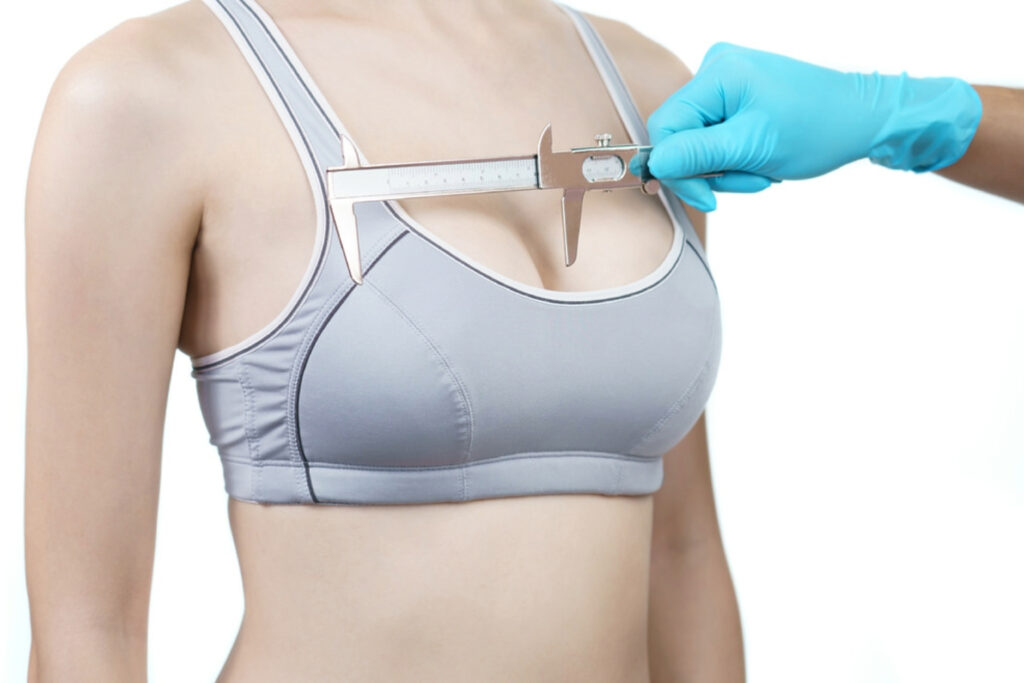
Body balance is therefore not a formula. It is developed through measurements, proportions, goals, and a doctor’s assessment. This is one reason why different shapes, projections, surfaces, and volumes play an important role in surgical planning.
The role of breast augmentation in Brazilian beauty
Breast augmentation directly influences body contours, but the way the procedure is planned has evolved considerably. Today, the conversation goes far beyond implant size.
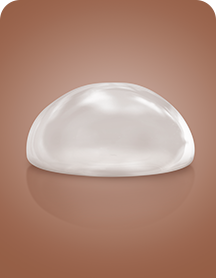
The decision involves proportions, breast base width, chest width, skin elasticity, desired projection, surface, gel, and surgical technique. It is a medical decision made in consultation with the patient and guided by the specialist’s assessment.
Breast proportions and a natural appearance
A natural appearance does not necessarily mean choosing smaller implants. It means choosing what best suits the patient’s anatomy.
The same volume can look different on different bodies. That is why base width, projection, shape, and volume distribution are just as important as the number of cubic centimeters (cc). The intended outcome is shaped by the combination of the patient’s goals, her anatomy, and the doctor’s surgical plan.
Current trends in breast augmentation
Personalization is the main trend today. Patients are better informed and want to understand the differences between shapes, surfaces, projections, and surgical options.
There is also greater emphasis on long-term planning. Implant selection takes into account the desired appearance, anatomy, medical suitability, follow-up care, and the patient’s experience before and after surgery.
Safety note: Every journey toward change should begin with responsible planning. Schedule a consultation with a qualified plastic surgeon to assess your individual proportions and plan your procedure with careful attention to safety.